
Thailand Rooftop Solar Support: What the Mid-October Programme Could Mean
Thailand is preparing a rooftop-solar support programme for mid-October registration. The announced figures are meaningful, but the final rules will determine how the support affects real electricity costs.

What Thailand has announced
Thai government statements published on 15 and 18 September 2026 describe a new rooftop-solar direction, with registration expected in mid-October. The first statement refers to support of up to THB 50,000 for each qualifying rooftop installation and an initial programme scale of about 1.5 million installations. Read the 15 September government statement.
A separate Bangkok Post report supplied for this article describes a THB 15 billion starting package attributed to Finance Minister Ekniti Nitithanprapas. The government statements also describe an initial support envelope of up to THB 50 billion and a longer-term 10,000 MW solar direction. These figures may refer to different stages or parts of the programme, so they should not be merged into one confirmed budget before the final registration notice is published. Read the Bangkok Post report.
The export rate is separate from bill savings
The 18 September statement adds a grid and market framework under the “Solar for the People” direction. It describes an export purchase rate of THB 2.20 per kWh for up to 20 years and refers to public rooftop systems of no more than 5 kW per meter. The wider plan also mentions ground-mounted and floating solar, together with distribution-system preparation. Read the 18 September government statement.
The THB 2.20 figure is an export purchase rate. It is not a promise that every solar unit will offset a retail electricity bill at the same value. Electricity used at the site, electricity bought from the grid and electricity exported for payment can each have different treatment. A sound estimate separates those flows instead of multiplying total solar generation by one headline rate.
The THB 50,000 support can reduce the initial cost, but it does not by itself confirm the final equipment price, installation labour, connection work, meter treatment or payback period. Roof condition, operating hours, local grid requirements and the share of generation used directly will still shape the result.
The mid-October rules will decide the practical details
Before a project can be priced with confidence, the final notice needs to set out eligible applicants, registration documents, approved equipment, system-size limits, inspection steps and the method for connecting and paying for exported electricity. The government has also said that panels, inverters, cables, protection equipment and related systems should follow recognised standards.
For electricity users, that means a low headline price is only one part of the decision. The proposed system needs to be accepted for the intended connection, produce reliable meter data and continue to operate within the approved configuration. The 10,000 MW target signals a larger market direction, but it does not mean every installation will receive the same treatment or be approved.
Start with the actual load profile
A site with substantial daytime demand may use more solar generation directly. A site whose important equipment operates later in the day may export more energy or need a different storage and grid arrangement. The useful starting point is therefore the actual load profile: when power is consumed, how much can be used directly, what must remain available during interruptions and how the system will exchange data with the grid.
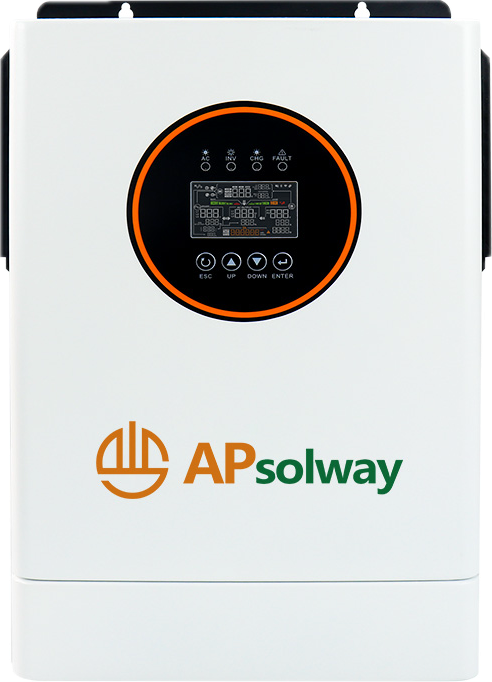
APsolway’s approach is to relate equipment selection to those operating facts, the installation environment and the proposed supply arrangement. Exact model suitability, certification and local acceptance require separate technical confirmation.